Prices are estimates. How we get them
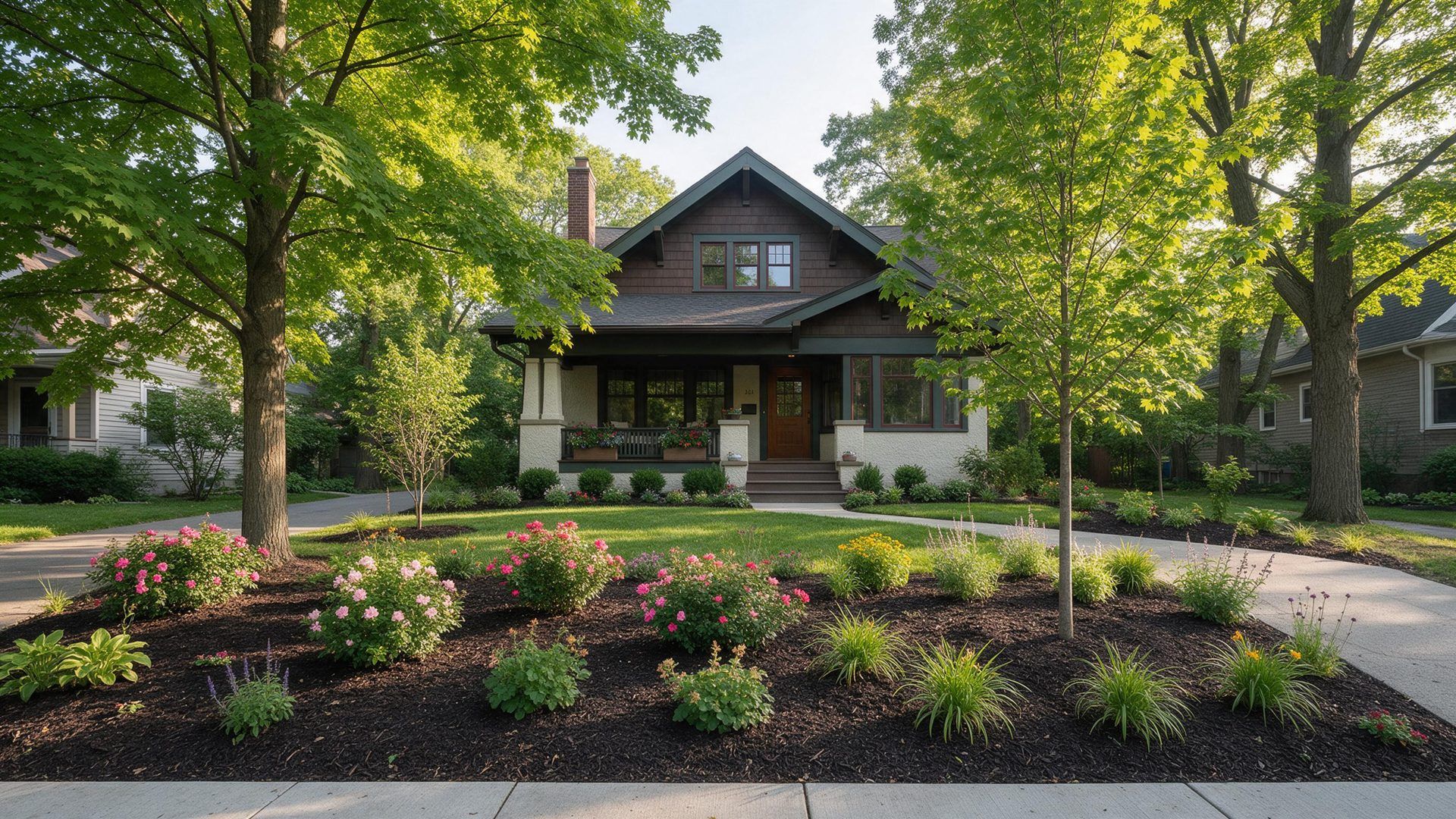
Trees, shrubs, planting beds, and softscape serving Ann Arbor, Saline, Dexter, and Chelsea. Local crew, honest quotes, fast response.
Call Get a free quoteLocal pros handle planting and softscape across Ann Arbor and the surrounding Washtenaw County area. From older neighborhoods like Burns Park and Old West Side to newer homes in Georgetown and Saline, our local crew does the job start to finish.
Ann Arbor sits along the Huron River valley, with loamy and clay soils and many mature trees. The area sees cold snowy winters, spring rain, and warm humid summers, and that weather is hard on plants, so choosing the right ones for local conditions is the key to success.
Local pros give written quotes before work starts, and you can ask each one about insurance and cleanup.
Designed and planted beds with shrubs, perennials, and grasses that fit your home.
Shade, ornamental, and privacy trees planted the right way for long-term health.
Removing tired, overgrown shrubs and replacing them with better choices.
Edging, weeding, and fresh mulch or rock that make beds look new again.
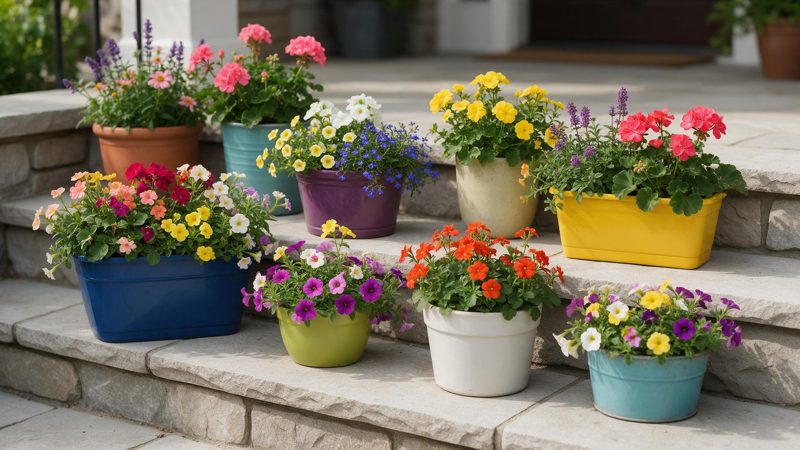
Annuals and containers for color through the seasons.
Evergreens and layered plantings that block views and noise.
Plants make a house feel like home. The right trees, shrubs, and flowers soften hard edges, add color and privacy, and help your property stand out. In Ann Arbor, the best plantings are chosen for local soil and weather, so they stay healthy and look good year after year.
Local pros plant and refresh landscapes for homes across Washtenaw County, from Burns Park and Old West Side to Kerrytown and nearby towns like Saline and Dexter. Some clients want brand-new beds. Others want to replace overgrown shrubs, add shade trees, or simply clean up and mulch tired beds. Every project starts with a clear plan and a written price.
Local pros plant the right way, with proper spacing, soil preparation, and watering instructions, so your new plants have the best chance to thrive.
Bed design and planting with layered shrubs, perennials, and grasses.
Tree planting for shade, privacy, and ornamental interest.
Replacing overgrown or dying shrubs with better-suited plants.
Edging, weeding, and fresh mulch or rock to make beds look new.
Seasonal color with annuals and container plantings.
Evergreen privacy screens that look natural, not like a wall.
Local pros start with a visit to look at your yard, sun, soil, and existing plants, and to talk about the look you want. Then local pros create a planting plan and a clear written price.
On planting day, local pros prepare the beds, place plants for your approval, plant them properly, and finish with mulch or rock. Local pros clean up completely and leave you with watering instructions.
Ann Arbor sits along the Huron River valley, with loamy and clay soils and many mature trees. The area sees cold snowy winters, spring rain, and warm humid summers. Those conditions decide which plants thrive and which struggle. Local pros choose plants that handle the local climate, and they plan beds so they look good through the seasons, not just the week they're planted.
Ask what plants they recommend and why, how they prepare the soil, and what their plant warranty covers. A good company will help you pick the right plant for the right spot and explain how to care for it.
That's how local pros approach every project, from a small entry bed in Lower Burns Park to a full yard makeover near Chelsea.
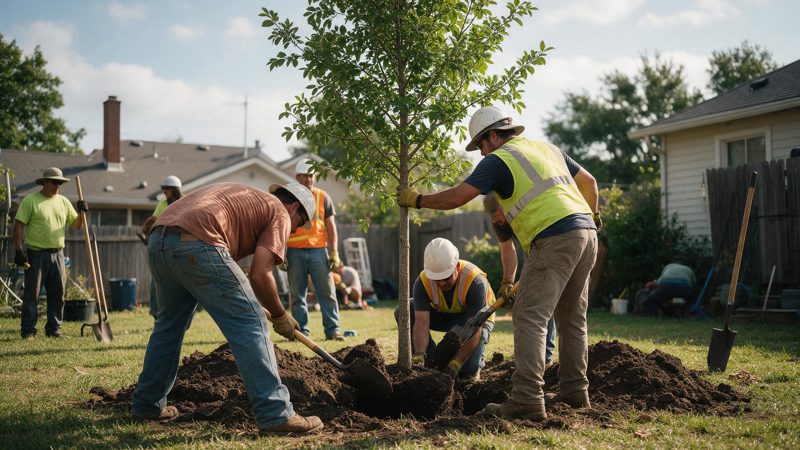
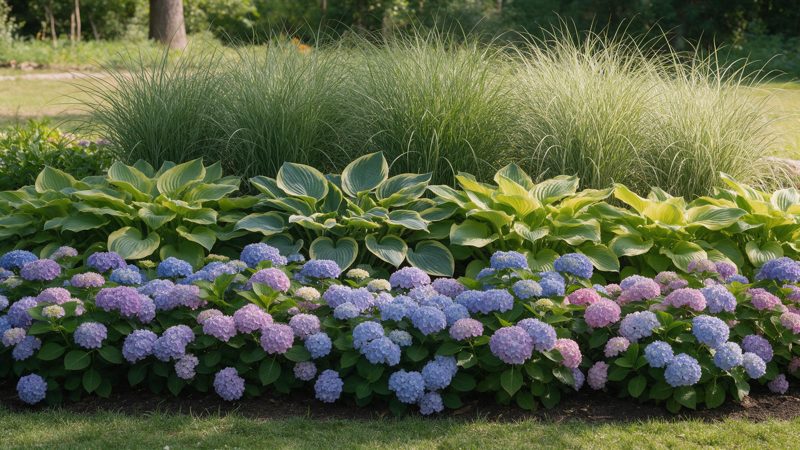
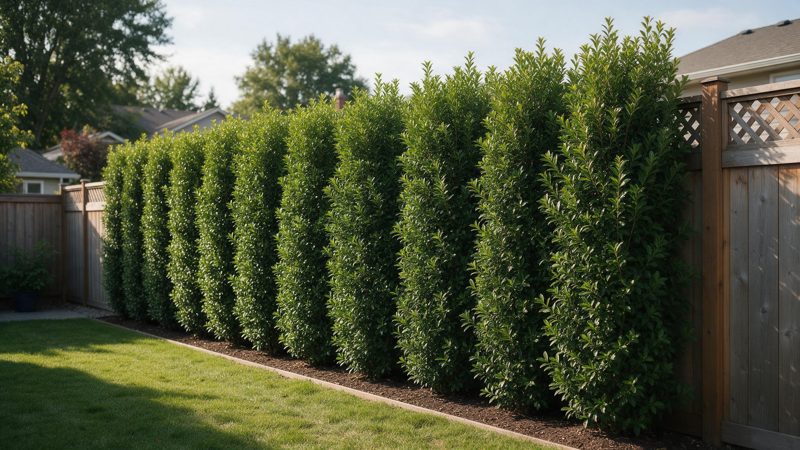
New planting beds in the Ann Arbor area usually run about $1,500 to $8,000 depending on size and plant sizes. Installed shrubs often cost about $50 to $200 each, and trees usually run a few hundred dollars or more each depending on size. Fresh mulch often costs about $50 to $100 per cubic yard installed. A local pro will give you a clear written price before any work starts.
Spring and fall are usually best for most trees and shrubs, but many plants can go in any time the ground isn't frozen.
Local pros explain our plant warranty up front and give you watering instructions to help new plants thrive.
Most beds look best with a fresh layer of mulch about once a year.
Yes. Replacing old shrubs is one of the fastest ways to refresh the look of a home.
Yes. Local pros pick plants that fit the local climate and how much care you want to give them.
Yes. Local pros design layered evergreen plantings that give privacy without looking like a wall.
Before selecting plants, look at the whole area rather than choosing each plant on its own. Note where water collects after rain, where snow or roof runoff lands, and where people walk or need access. A planting plan should leave room for paths, doors, windows, and equipment, as well as the plants’ expected mature size. These details can prevent costly moves or replacements later.
Before digging, arrange for underground utility lines to be marked through the appropriate locating service. Markings show where buried lines may run, but they do not identify every private line, such as some irrigation or lighting wires. Point out any known private utilities to the planting crew. Ask how the crew will protect existing lines and hardscape while preparing the bed.
If a proposed bed stays soggy, drains very slowly, or dries out much faster than the surrounding yard, mention that during the site visit. A plant that tolerates damp soil is not automatically suited to standing water, and adding soil over a drainage problem may simply move the problem elsewhere. The installer can assess whether plant selection, bed layout, or a separate drainage solution is appropriate.
Track sunlight at the actual planting spot, not just across the yard. Nearby buildings, fences, and mature trees can cast shade for part of the day, while reflected heat near pavement can create a different growing condition. Share changes you expect, such as a planned fence or removal of a tree. Conditions may also vary between the front and back of the same property.
Planting depth matters. For many trees, the root flare—the widening point where the trunk transitions into roots—should remain visible at or slightly above the finished soil grade. Burying the flare can keep the trunk too damp and interfere with healthy root development. Ask the installer to show you the flare before backfilling, especially if the root ball arrives with excess soil over its top.
Container-grown plants can have roots circling inside the pot. Those roots may need careful correction at planting so they can grow outward into the surrounding soil. The right approach depends on the plant and the root condition; cutting or tearing roots indiscriminately can cause damage. Ask how the crew checks root balls and handles circling or tightly packed roots before planting.
Spacing should reflect the plant’s mature width, not only how the bed looks on installation day. Crowding can lead to repeated pruning, poor airflow, and plants competing for light and water. A layered layout can still look full at the start by using suitable sizes and groupings, while leaving each plant room to develop. Ask to review plant spacing before the crew begins.
Mulch helps moderate soil conditions, but it should not be piled against trunks or shrub stems. Keep a small open space around the base of each plant and spread mulch in a relatively even layer rather than forming a steep mound. Too much mulch can hold excess moisture against bark and make it harder to see the root flare. Confirm the planned material and depth with the installer.
When comparing quotes, check whether they describe the same scope. A useful proposal identifies plant types and sizes, bed preparation, removal of unwanted plants, edging, mulch or stone, cleanup, and any work that is not included. Two totals may differ because one includes disposal or larger plants while another does not. Ask for unclear items to be explained in writing before choosing a contractor.
Plant names and sizes help you compare the value of proposed materials. A quote that says only “shrubs” gives you little basis for checking whether two plans are alike. Ask whether the listed size refers to the plant at installation and whether substitutions require your approval. If a preferred plant is unavailable, ask what replacement is proposed and how its mature size and growing needs compare.
New plantings need attention while roots establish, and watering needs vary with plant type, soil, weather, and exposure. Rather than relying on a fixed schedule, check the soil near the root ball and follow the installer’s instructions. A brief, light sprinkle may not wet the root zone. Ask how to tell whether water is reaching the roots and whether any existing irrigation needs adjustment.
Keep a simple record of plant names, installation locations, and care instructions. It can make later pruning, watering, or replacement decisions easier, especially when several similar plants are used. During the first growing season, watch for persistent wilting, standing water, or damage from animals or equipment. Contact the installer promptly if you see a problem so its cause can be assessed while conditions are still clear.
Yes. Have underground utilities located before any digging begins, and tell the crew about private lines you know of, such as irrigation or landscape-lighting wires. Public locating services may not mark every private line. Do not assume that a clear-looking area is safe to excavate, particularly near a house, driveway, or existing outdoor equipment.
There is no single spacing that fits every shrub. Check the plant’s mature width and allow room for airflow, access for maintenance, and clearance from windows, siding, and walkways. Ask the designer to show expected mature dimensions on the plan. Planting tightly for an instant full look can create ongoing pruning and crowding problems.
The root flare is the widening area at the base of a tree where the trunk transitions into the main roots. It should generally be visible at the soil surface or just above the finished grade. If the trunk appears to continue straight into the soil like a pole, ask the installer to check whether the root ball is set too deep.
Possibly, but the cause and duration of the water need to be understood first. Some plants tolerate consistently moist soil, while others can decline when roots stay saturated. Share how long water remains after rain and where it comes from. A planting change may not solve a drainage issue caused by grading or runoff.
A different choice may better fit the site’s light, soil moisture, available space, or maintenance needs. Ask what specific condition led to the recommendation and how the alternative compares in mature size, appearance, and care. You can also ask whether the original plant is feasible with a change to the bed or planting location.
It depends on the size and condition of the existing roots, the new plant’s location, and whether the old shrub had a disease or other problem. Leaving a large stump can interfere with planting nearby, while extensive excavation can disturb other roots or utilities. Ask the contractor what removal includes and how the area will be prepared afterward.
Check the soil around the root ball rather than judging only by the surface or leaves. The surface can look dry while the root zone is still moist, or look damp after a brief shower without being watered deeply. Follow the plant-specific instructions from the installer, and adjust for changing weather and the site’s drainage.
Ask the contractor to list the proposed plant types and installation sizes, and to explain how substitutions will be handled if a plant is unavailable. The written scope should make clear whether you approve alternatives before they are installed. That helps avoid an unexpected change in appearance, mature size, or maintenance needs.
Tell us what you need and where. We usually reply the same day.
Prefer to talk? Tap to call
No obligation and no pressure.
Ann Arbor Planting Pros is an independent referral service that connects you with local landscaping and planting pros.
Open this site on your phone

Ann Arbor Planting Pros
annarborplantingpros.us
Point your phone camera at the code
Design your yard with Plot Vision AI — scan to try

Plot Vision AI
getplotvisionai.com
See your yard redesigned in minutes
